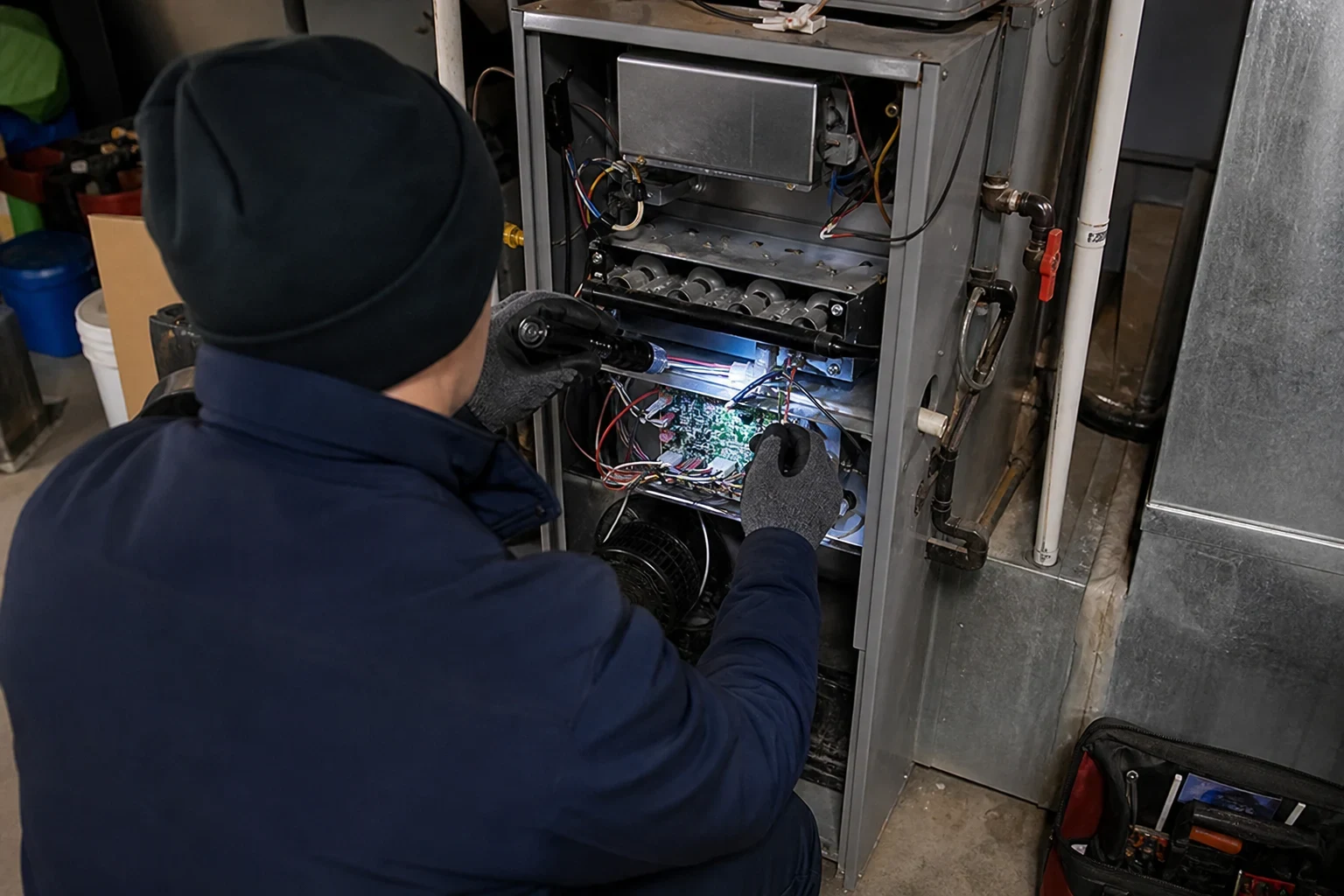
ServicesFurnace Installation
Furnace Installation in Millwood, WA
When your furnace is worn out or costing too much to keep running, we size and install a new one that fits your home. You get a free estimate, a written quote before any work starts, and a crew that covers your floors and cleans up before leaving.
A new furnace, done carefully inside your home
Replacing a furnace means people working in your basement, garage or utility closet, carrying heavy equipment through your front door and handling a gas line. We treat that as the serious job it is. Drop cloths and floor runners go down before anything comes in, and we tell you plainly what will happen, how long the heat will be off and when it will be back.
Our gas work is done under our Gas heating mechanical license, and we are registered with the state as WA Contractor Registration #KDHEAHA757JA. If your current furnace still has life in it, we will say so. Sometimes a repair is the better call, and our furnace repair page covers that side of things.
With winter nights that regularly drop well below freezing, a furnace that starts every time matters. A properly sized, properly installed unit runs quieter, cycles less and keeps rooms more even.
What your installation includes
- A load check, not a guess
- We look at your home's square footage, insulation, windows and how rooms heat today. That tells us what size furnace you need. An oversized unit short-cycles and wears out early, and an undersized one runs nonstop on cold nights.
- Removal of the old furnace
- We disconnect, carry out and haul away your old unit. You are not left with a rusted cabinet in the driveway.
- Gas, venting and electrical connections
- We connect the gas supply, test every fitting for leaks and set up venting that suits the new furnace, which matters most when moving to a high-efficiency model that vents through PVC. Wiring and the thermostat are connected and checked.
- Permit and inspection
- We pull the mechanical permit and arrange the inspection, so the job is on record and done to code.
- Startup and a walkthrough
- We fire the furnace, check gas pressure, temperature rise and safety controls, then show you how to change the filter and read the thermostat.
- Labor coverage
- New installations come with up to 3 years labor, and we explain exactly what that covers when we hand you the quote.
Signs it may be time for a new furnace
Repairs keep coming back
If you have paid for the same igniter, inducer motor or control board more than once, the money may be better spent on a replacement.
Your gas bills keep climbing
Older furnaces lose efficiency as heat exchangers and burners age. Higher bills with no change in habits are a common clue.
The far bedrooms stay chilly
When the furnace runs and runs but the rooms farthest from it never get comfortable, the unit may have been too small from day one or may have lost the capacity to keep pace.
Rust, cracks or a yellow flame
A wavering yellow burner flame, soot or visible cracks can mean a combustion problem. Turn the system off and have it checked; this is when our emergency HVAC repair line helps.
Your furnace is well past its prime
Most gas furnaces last roughly 15 to 20 years. Near that age, it is worth getting a quote before the unit fails on a cold night.
What affects the price of a new furnace
We don't price a furnace sight unseen, because the space, the venting and the gas line vary from one house to the next. After our visit, your written quote breaks the job into line items. If we find something unexpected once work starts, we stop and talk it through with you before doing anything more.
Furnace size and efficiency
A higher-efficiency furnace costs more up front and uses less gas each month. We will show you both sides so you can choose.
Venting changes
Moving from an older standard-efficiency furnace to a condensing model usually means new PVC venting and a condensate drain.
Where the furnace sits
Crawlspace and attic installs mean working on our knees in cramped quarters, and that adds hours to the job. An open basement or garage closet is quicker to work in.
Gas line and electrical updates
Some older setups need a gas line or electrical update to meet current code for the new unit.
Permit and thermostat
The permit fee is part of the job, and some homeowners add a new thermostat at the same time.
How installation day goes
- 1
Free estimate at your home
We visit, measure the space and look over the equipment you have now, then lay out the choices that fit. Before anything starts, you have a written quote that separates the equipment from the labor.
- 2
Protecting your home first
On the day, we lay floor runners from the door to the furnace and cover nearby belongings. Outside, we keep equipment off your plants and lawn.
- 3
Out with the old, in with the new
Once the gas valve is closed and the breaker is off, we disconnect your old furnace and carry it out along the covered path. The new unit goes onto a level base, and we tie in the gas line, venting, wiring and thermostat. Most replacements wrap up in a single day.
- 4
Test, clean up and explain
We run the furnace through full cycles, check safety controls, vacuum the work area and walk you through the new system before we pack up.
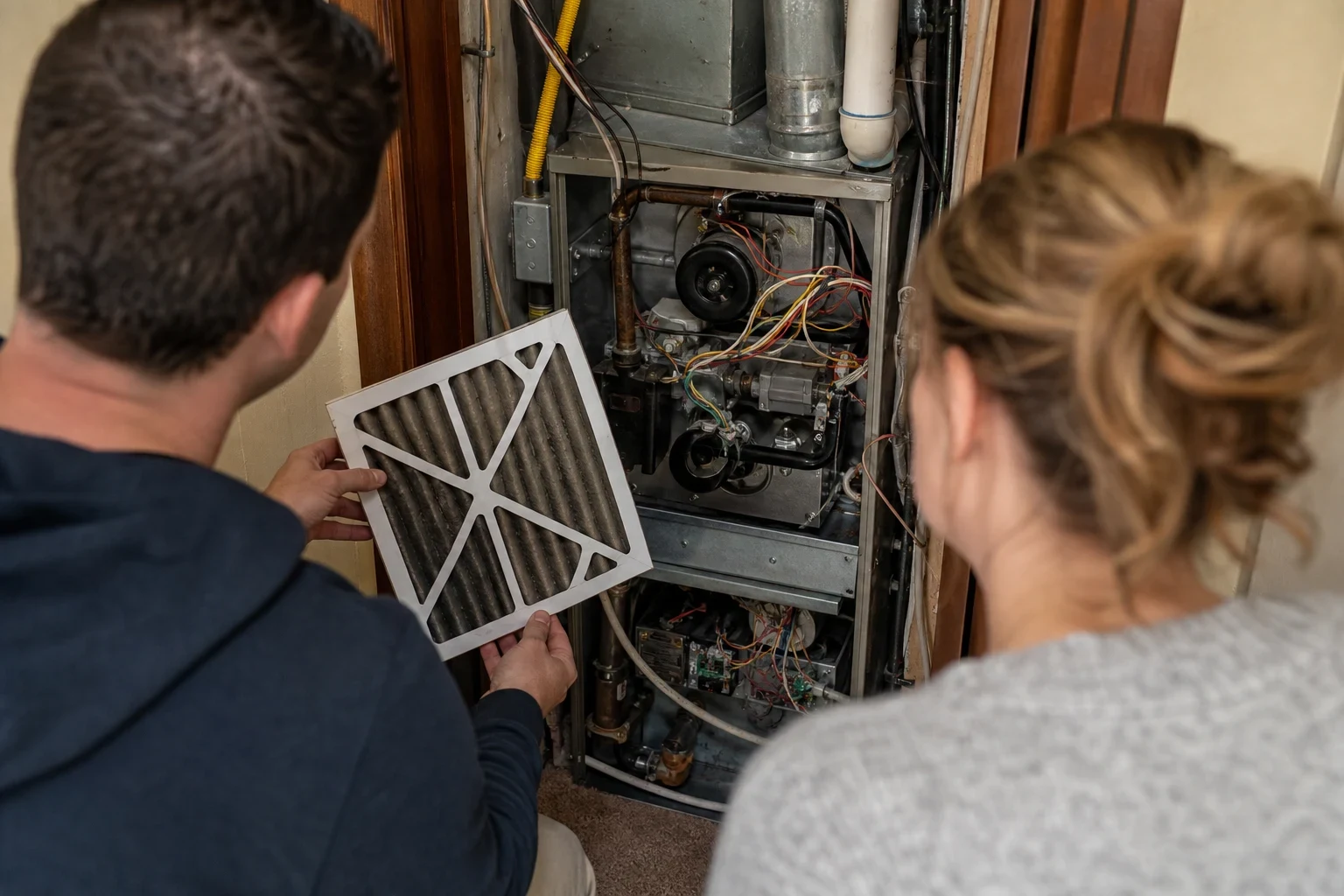
Furnace installation questions
How long will we be without heat?
Most furnace replacements are done in one day, so the heat is usually off for several hours. We tell you the plan up front. If a cold snap is coming, we can talk about timing so you are not left uncomfortable.
Is the estimate really free?
Yes. Estimates are free on installations and replacements. We come out, look at your home and give you a written quote before any work begins, with no obligation.
Who handles the gas connection?
We do. Our gas work falls under our Gas heating mechanical license, and every fitting is leak tested before the furnace is started.
What warranty comes with a new furnace?
New installations carry up to 3 years labor from us, in addition to the manufacturer's equipment warranty. We put the details in writing so you know what is covered.
Would a heat pump make more sense than a gas furnace?
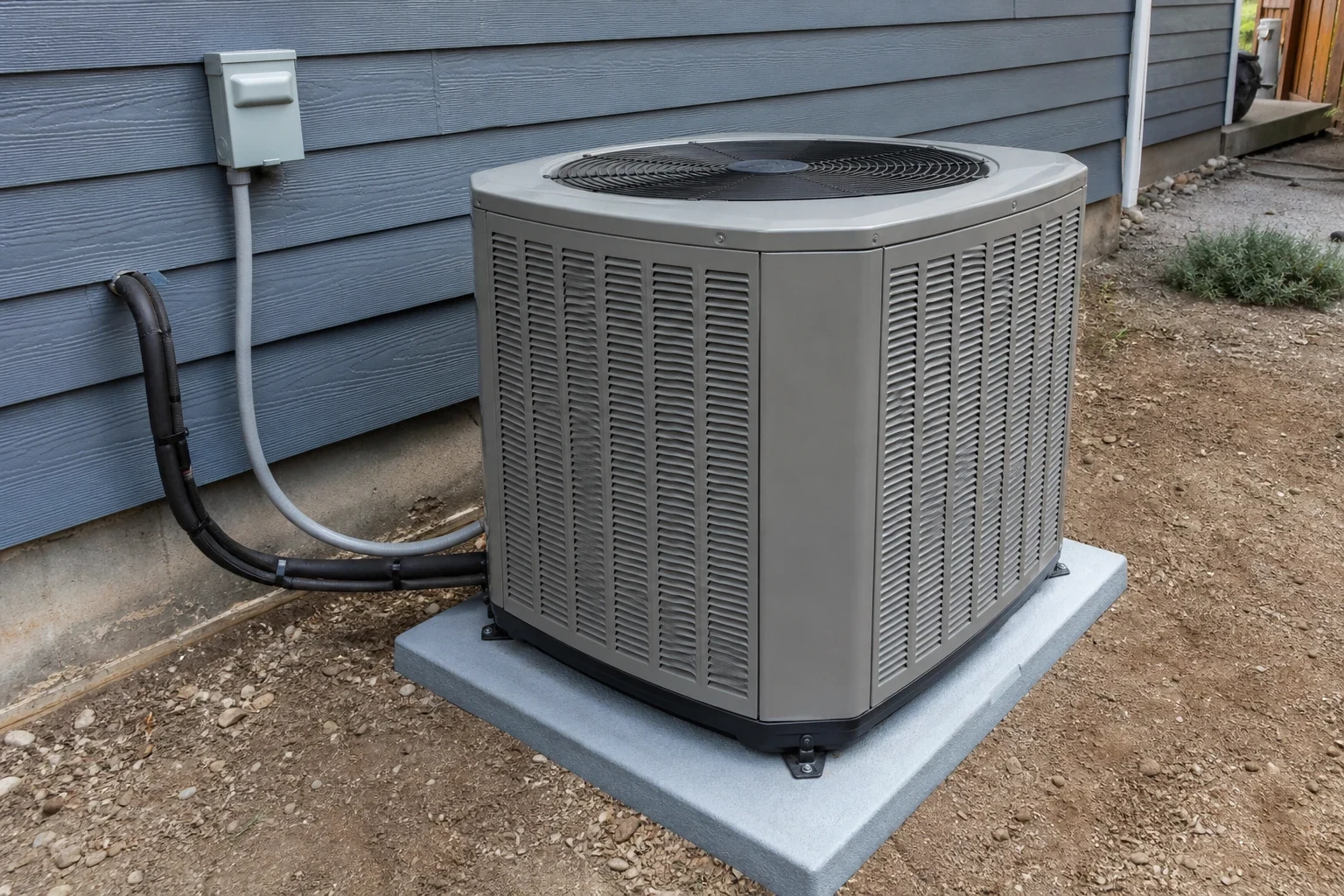
That comes down to your gas bills, how well your home holds heat and what you want from the system. Some homeowners keep a gas furnace for the coldest weeks and add a heat pump for spring and fall. We can quote both side by side, offer help claiming Avista rebates and federal tax credits on heat pumps, and our heat pumps page explains how each setup works.
Ready to talk about a new furnace?
We will come out, size it right and give you a written quote with no pressure. Your floors stay covered and your questions get straight answers.